
Traffic Impact Attenuator Supplier: Understanding Crash Protection on Modern Roads
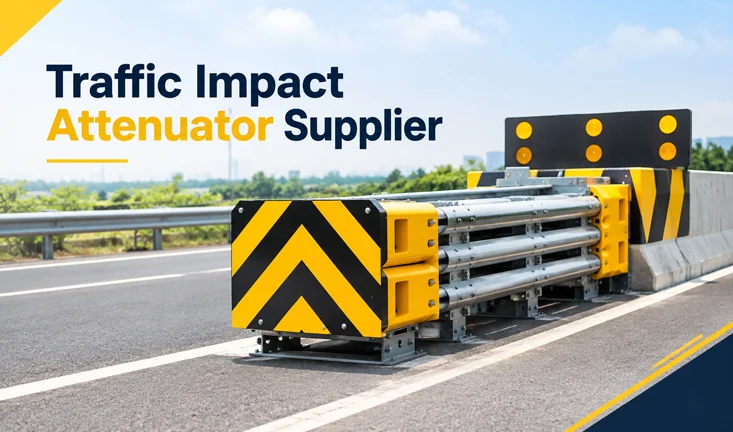
Road infrastructure includes many fixed objects and locations that may present hazards to vehicles leaving their intended travel path.
Bridge supports, barrier terminals, work zones and other roadside features require appropriate safety planning.
Working with a Traffic Impact Attenuator Supplier helps infrastructure organisations explore crash protection systems designed for specific roadway applications.
What Is a Traffic Impact Attenuator?
A traffic impact attenuator is a road safety system designed to help manage vehicle impacts.
Depending on its design and installation, an attenuator may absorb or dissipate impact energy and reduce the severity of certain collisions.
Different systems are intended for different installation conditions and impact scenarios.
Where Are Impact Attenuators Used?
Traffic impact attenuators may be installed near:
- Highway barrier terminals
- Roadside structures
- Construction work zones
- Toll facilities
- Bridge approaches
- Roadway splits
- Other fixed roadside hazards
The suitability of a system depends on site geometry, traffic conditions and the required protection arrangement.
How Do Attenuators Differ From Crash Barriers?
Crash barriers and impact attenuators serve related but different purposes.
Longitudinal barriers are generally intended to contain and redirect vehicles away from hazards.
Impact attenuators are commonly used to manage impacts at specific exposed locations, such as certain barrier ends or fixed obstacles.
For additional road safety solutions, infrastructure professionals can explore W Beam Crash Barrier Suppliers .
Different barrier systems must be selected according to their tested performance and intended application.
Important Selection Factors
Choosing a traffic impact attenuator requires careful consideration of:
- Applicable crash-testing criteria
- Expected vehicle conditions
- Installation space
- Road geometry
- Maintenance requirements
- Foundation and anchoring conditions
- Manufacturer installation requirements
A system should not be selected solely on appearance or purchase price.
Maintenance and Inspection
Road safety devices may require inspection after a collision.
Damaged components should be assessed and repaired or replaced according to the relevant manufacturer’s instructions.
Routine inspections also help identify missing, damaged or deteriorated components.
Conclusion
Traffic impact attenuators are an important part of roadside hazard management.
Appropriate system selection, installation and maintenance help road authorities implement safer infrastructure designs.